

Khushi Communications offers underground locating equipment for detecting, tracing and locating buried cables, underground utilities, cable routes and cable faults. Our range of professional locating solutions is designed to help telecom, railway, utility, electrical and infrastructure professionals identify underground assets and troubleshoot cable networks efficiently.
Underground locating equipment can help reduce unnecessary excavation, improve cable maintenance and support faster field operations. Depending on the application, you can choose from cable fault locators, marker locators and cable route locators/tracers.
Explore our range of underground locating solutions to find the right equipment for cable detection, fault location and underground infrastructure maintenance.
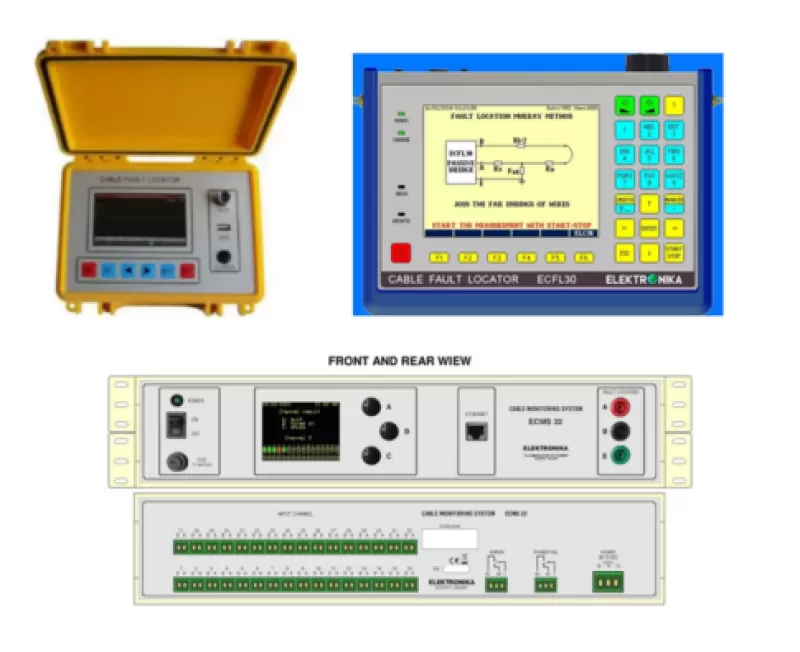
Cable Fault Locators are designed to help field technicians identify and locate faults in underground and communication cables. These instruments can assist with troubleshooting problems such as open circuits, short circuits and cable damage, depending on the testing technology and model.
Cable fault locating equipment is useful for telecom network maintenance, cable installation, field service and infrastructure troubleshooting. By helping engineers determine the location of a fault, these instruments can reduce troubleshooting time and minimize unnecessary excavation.
Explore Cable Fault Locators →
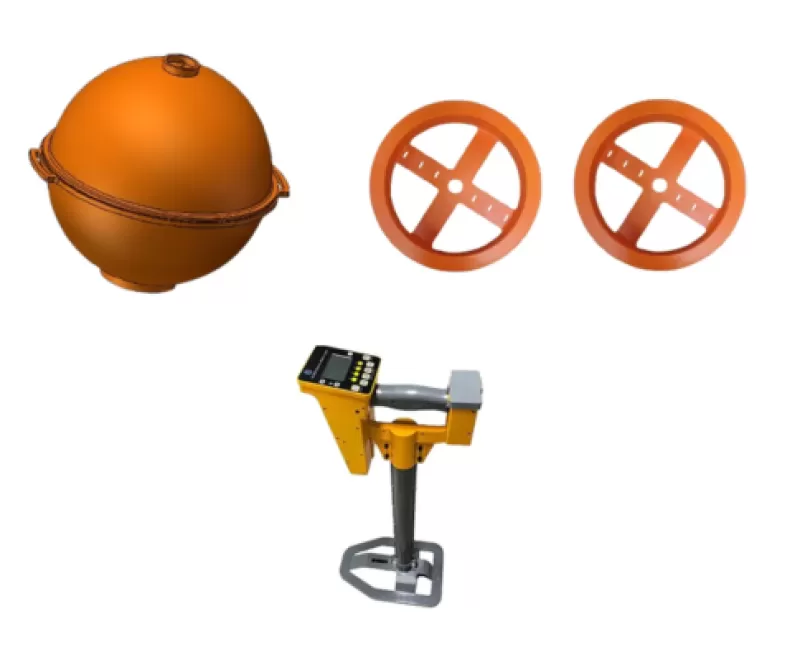
Marker Locators are used to detect and locate buried electronic markers installed along underground cable and utility routes. These markers provide a reference point for identifying buried infrastructure during maintenance, repair and future construction activities.
Marker locating solutions can help field teams identify previously marked cable routes and underground assets without relying solely on excavation or surface-level indications. They are suitable for applications involving telecom networks, utilities, railway infrastructure and other underground installations.
Explore Marker & Marker Locators →
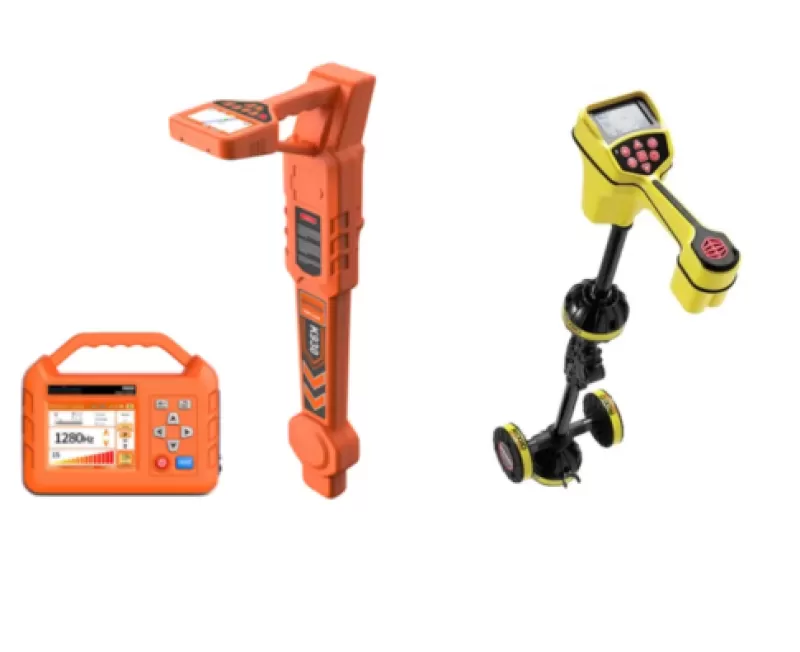
Cable Route Locators and Tracers help technicians detect and trace the route of underground cables and utilities. They can be used to identify cable paths and support underground infrastructure mapping before excavation, installation, repair or maintenance work.
Cable route locating equipment is particularly useful when the exact position or route of a buried cable is unknown. Depending on the equipment, features may include cable identification, route tracing, depth measurement and locating capabilities for underground services.
Explore Cable Route Locators & Tracers →
Underground locating equipment plays an important role in maintaining and expanding buried communication and utility infrastructure. These solutions can support a wide range of field applications, including:
Locate and trace underground communication cables during installation, maintenance, troubleshooting and network expansion.
Support cable identification, route tracing and maintenance activities associated with railway communication and signalling infrastructure.
Help field teams identify underground utility routes and locate buried infrastructure before excavation and construction activities.
Assist engineers and technicians in locating buried cables, markers and other underground assets where accurate identification is required.
Use locating equipment during cable installation, repair and maintenance to identify routes, locate faults and reduce unnecessary digging.
Selecting the right underground locating equipment depends on the type of underground asset you need to locate and the specific field application.
Choosing equipment based on cable type, locating method, required detection depth and field conditions can help improve the efficiency of underground cable and utility locating operations.
Khushi Communications provides telecom, networking, optical and testing solutions for professional field and network applications. Our underground locating equipment portfolio is intended to support technicians, engineers, contractors and infrastructure teams involved in cable detection, fault troubleshooting and underground network maintenance.
With solutions covering cable fault locating, marker locating and cable route tracing, customers can select equipment based on their specific underground locating requirements.
Our team can also help you identify a suitable solution based on your cable type, application and testing requirements.
Contact Khushi Communications to discuss your underground locating equipment requirements.
Underground locating equipment is used to detect, trace and locate buried cables, utilities, markers and cable faults. It helps field technicians identify underground infrastructure before maintenance, repair, installation or excavation.
A cable fault locator is an instrument used to identify and locate faults in cables. Depending on the model and technology, it can help detect problems such as open circuits, short circuits and other cable faults.
A marker locator is used to detect buried electronic or detectable markers installed to identify underground cables, utilities or infrastructure. It helps technicians locate marked assets without unnecessary excavation.
A cable route locator is used to trace the route or path of an underground cable or utility. It can help technicians identify where a buried cable runs before excavation, maintenance or installation work.
A cable fault locator is primarily used to identify and locate faults within a cable, while a cable route locator/tracer is used to identify and trace the physical route of a buried cable or underground utility.
Underground cable locating helps technicians identify buried infrastructure before excavation or maintenance. Accurate locating can reduce unnecessary digging, minimize the risk of cable damage and improve field maintenance efficiency.
The right equipment depends on your application, cable type, locating requirement, expected detection depth and type of underground asset. Cable fault locators are suitable for fault detection, marker locators for buried markers, and cable route locators/tracers for tracing underground cable routes.
 Whatsapp Us