

Key Takeaways
- An NTP timing server synchronizes clocks across all devices in a network.
- Accurate time improves system logs, security monitoring, and troubleshooting.
- Organizations often install NTP servers when managing multiple servers or data centers.
- Financial systems and regulated industries require precise timestamps.
- Database replication and distributed systems rely on synchronized clocks.
- Internal NTP servers reduce dependence on public internet time sources.
- Time synchronization improves reliability across large enterprise networks.
Have you ever wondered why many organizations suddenly start talking about NTP timing servers when their networks grow larger or more complex?
A lot of IT teams ask similar questions –
When does a company actually need an NTP timing server? Is the system clock on computers not enough? Why do banks, telecom companies, data centers, and security teams rely on precise network time? And what problems appear when systems do not share the same time?
The thing is, time may seem simple, but in computer networks it is extremely important. Every device, server, application, database, and security system depends on accurate timestamps.
If the time across systems is even a few seconds apart, logs become confusing, transactions become difficult to verify, and troubleshooting becomes harder.
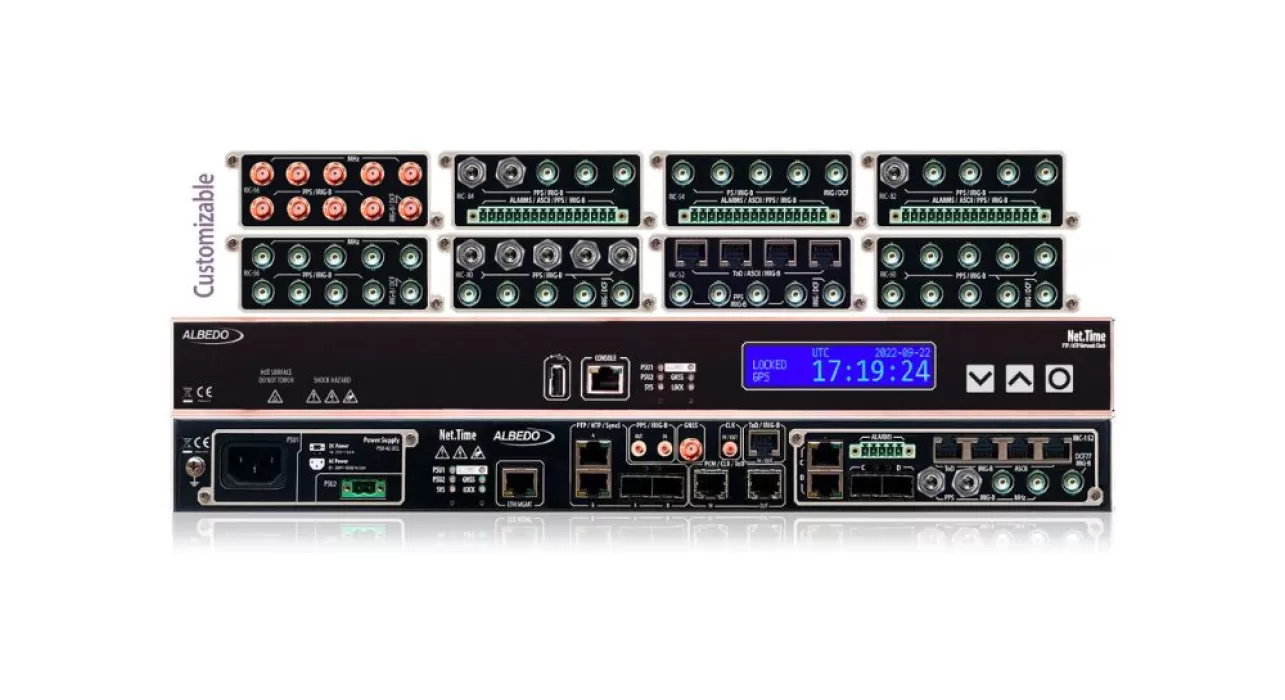
This is where an NTP timing server becomes useful. NTP stands for Network Time Protocol. It is a standard method that synchronizes the clocks of computers and network devices so they all share the same accurate time.
An NTP timing server works by distributing precise time across a network. It can take time from reliable sources such as GPS signals, atomic clocks, or trusted internet time servers.
But the big question is this.
When should an organization actually install an NTP timing server in its network?
When Multiple Servers Must Maintain the Same System Time
As soon as an organization runs multiple servers, time synchronization becomes important.
It solves this by providing one trusted time source for the entire network. All servers regularly check with the NTP server and adjust their clocks automatically.
This keeps systems aligned and prevents confusion when analyzing logs or system events.
When Security Logging and Auditing Become Critical
Security teams rely heavily on timestamps.
If an attacker attempts to access a system, security logs must show exactly when the activity occurred. These timestamps help investigators track the sequence of events.
Without synchronized clocks, logs from firewalls, servers, and applications may show different times. This makes it difficult to understand what happened.
It ensures that every security log in the organization uses the same time reference.
When Organizations Run Financial or Transaction Systems
Banks, payment gateways, and financial systems require precise timestamps.
Transactions must show the exact time they occurred. This helps with record keeping, compliance checks, and dispute resolution.
Even small-time differences between systems can cause issues when verifying transactions or reconciling financial records.
That is why many financial institutions install dedicated NTP timing servers connected to reliable time sources.
When Data Centers Manage Large Numbers of Devices
Modern data centers run hundreds or thousands of devices. These include servers, switches, storage systems, and monitoring tools.
When all these systems generate logs, accurate time synchronization becomes essential.
If a network outage happens, engineers need to analyze logs from multiple devices to understand the sequence of events.
It ensures that every device records events using the same timeline.
When Regulatory Compliance Requires Accurate Time
Some industries must follow strict technical standards and regulations.
Regulators may expect organizations to prove that their systems maintain consistent and reliable time synchronization.
Installing an NTP timing server helps organizations meet these compliance requirements and maintain reliable records.
When Network Monitoring and Troubleshooting Become Complex
Network monitoring tools rely on timestamps to detect problems.
If alerts and logs appear with different times, engineers may struggle to identify the root cause of a problem.
Imagine trying to diagnose a network outage when every system reports a different timeline. The investigation becomes confusing very quickly.
With this, all monitoring systems follow the same time reference. This makes troubleshooting much easier.
When Distributed Systems Operate Across Many Locations
Many organizations operate across multiple cities or countries.
In these environments, different offices may rely on different local clocks or internet time sources. Over time, the systems can drift apart.
A centralized NTP timing server or synchronized regional servers keep all locations aligned.
Last Words
Accurate time may look like a small technical detail, but in modern networks it plays a huge role in reliability, security, and system management. An NTP timing server ensures that every system in an organization works with the same clock. This makes logs easier to read, security investigations clearer, and system coordination more reliable.
FAQS
Why is an NTP timing server important for modern IT networks?
It keeps all devices on the same time reference. This improves cybersecurity, event tracking, system coordination, and accurate logging, which are critical for modern enterprise networks.
What are the main benefits of using an NTP timing server in a company network?
It improves log accuracy, strengthens security monitoring, supports compliance requirements, and ensures proper coordination between servers, applications, and network devices across the organization.
How does an NTP timing server improve cybersecurity and system monitoring?
Accurate time synchronization helps security systems detect threats correctly. When all devices share the same time, it becomes easier to track attacks, investigate incidents, and analyze system logs.
What should organizations look for when choosing an NTP timing server?
Organizations should look for accuracy, reliable time sources, secure synchronization, easy network integration, and stable performance.
Is it necessary for data centers to use a dedicated NTP timing server?
Yes, data centers benefit from dedicated NTP timing servers because they manage many servers and applications.
Which industries commonly use NTP timing servers for network synchronization?
Industries like telecom, finance, IT services, power utilities, and broadcasting commonly use NTP timing servers.
Where should an NTP timing server be installed in an enterprise network?
It is usually installed in the core network or data center. This allows it to distribute accurate time to servers, switches, applications, and security systems across the organization.
Is an NTP timing server useful for small and medium businesses?
Yes, small and medium businesses can also benefit from NTP timing servers. Accurate time helps maintain reliable backups, proper log tracking, better security monitoring, and smooth communication between systems.
 Whatsapp Us