

Have you noticed how modern data centers are handling more cloud traffic, AI workloads, and connected devices than ever before?
That shift is changing how businesses choose their network hardware. A basic switch that worked fine a few years ago may now slow down performance, create bottlenecks, or struggle with security and scalability.
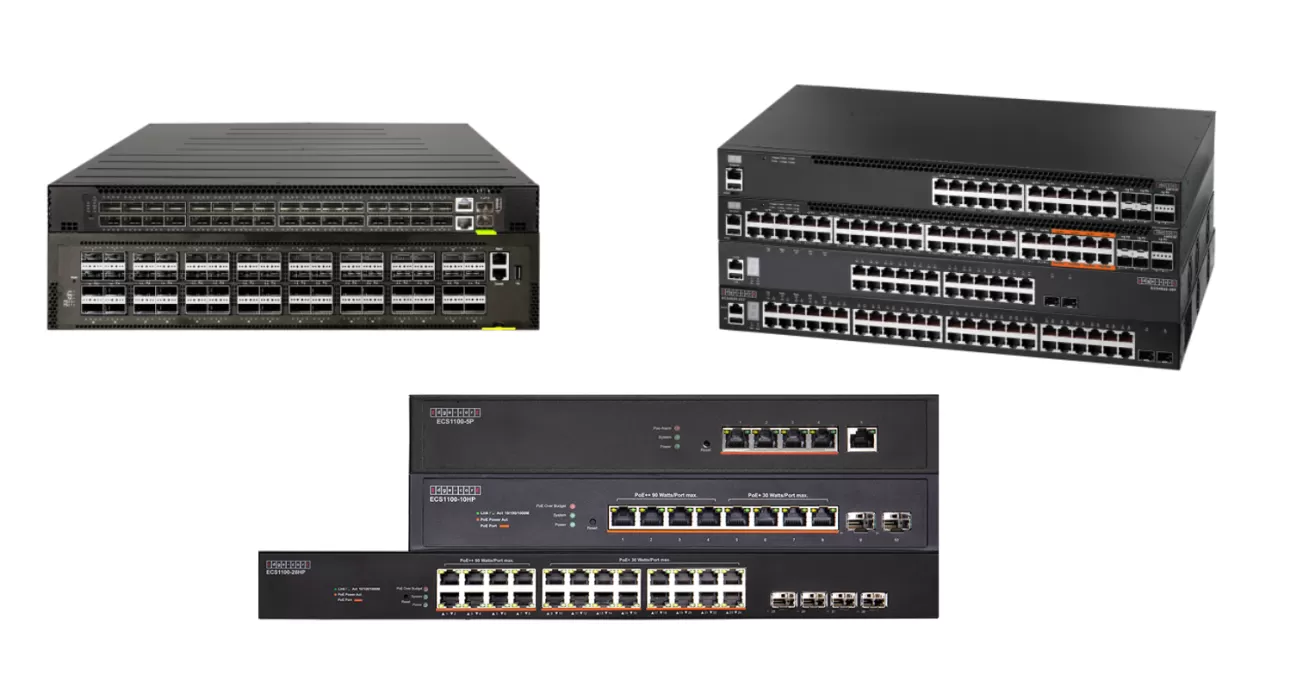
An L3 Ethernet network switch combines switching and routing functions into one device. It handles internal traffic inside the network while also managing communication between different network segments. This helps improve speed, traffic control, and overall efficiency in data centers.
The thing is, selecting the right switch is not only about speed numbers or brand names. It is about matching the switch to your real workload, future growth, security needs, and daily operations.
Key Factors to Consider When Selecting an L3 Ethernet Network Switch
Understand Your Data Center Traffic Requirements
Before choosing any switch, you need to know how your network traffic behaves. Some data centers mainly handle internal communication between servers. Others support cloud applications, video streaming, or heavy database workloads.
If your network regularly transfers large files or supports virtualization, you will need higher throughput and lower latency. A smaller business with moderate traffic may not need extremely expensive hardware.
Check Port Density and Port Speed
Port density simply means how many devices the switch can connect at once. Port speed refers to how fast each connection operates. Common speeds include 1G, 10G, 25G, 40G, and 100G.
A growing data center should always leave room for expansion. If you currently use 20 ports, selecting a switch with only 24 ports may become a problem quickly.
Look for Strong Layer 3 Routing Features
Not every L3 Ethernet network switch offers the same routing capabilities. Some support only static routing, while others include advanced protocols like OSPF, BGP, and VRRP.
If your data center handles multiple VLANs or connects to external networks, advanced routing becomes very useful. These features improve traffic management and network reliability.
Focus on Low Latency and High Performance
Data centers depend on fast communication between systems. Even slight delays can affect applications like cloud computing, AI processing, or real time analytics.
Low latency switches process data quickly without unnecessary delay. This becomes especially important in high traffic environments where thousands of requests move through the network every second.
Evaluate Network Scalability
Your data center today may look very different in three years. More users, more applications, and larger storage systems can rapidly increase network demand.
A scalable L3 Ethernet network switch allows easy expansion without replacing the entire infrastructure. Stackable switches and modular systems are often good choices for growing environments.
Prioritize Security Features
Security threats continue to increase across business networks. A modern switch should help protect against unauthorized access and suspicious traffic.
Useful security features include Access Control Lists, port security, VLAN segmentation, DHCP snooping, and traffic filtering. These tools help isolate threats and control network access.
Consider Power Efficiency and Cooling
Data centers consume large amounts of electricity. Network switches operate continuously, so power efficiency matters more than many people realize.
Energy efficient switches can lower long term operating costs. They also produce less heat, which reduces pressure on cooling systems.
Some switches include intelligent power management that adjusts energy use based on traffic levels. Over time, those savings can become significant for larger facilities.
Review Management and Monitoring Tools
Managing a data center network manually becomes difficult as the environment grows. Good monitoring tools help identify issues before they turn into major problems.
Many modern L3 switches offer web interfaces, command line management, SNMP monitoring, and cloud-based management platforms. These features simplify configuration and troubleshooting.
Verify Compatibility With Existing Infrastructure
A switch should work smoothly with your current servers, routers, firewalls, and network architecture. Compatibility issues can create unexpected delays during deployment.
Check supported standards, transceiver compatibility, cable types, and software integration before purchasing. Some environments also require compatibility with virtualization platforms or software defined networking systems.
Summarize
Choosing the right L3 Ethernet network switch for a data center is about balancing performance, scalability, security, and practical business needs. The best option is not always the most expensive one. It is the switch that fits your current workload while supporting future growth. Take time to evaluate traffic patterns, routing features, security tools, and management capabilities before making a final decision.
FAQS
What is the best L3 Ethernet network switch for modern data centers?
The best L3 Ethernet switch supports high-speed traffic, strong security features, reliable uptime, and easy future network expansion.
How do I choose the right L3 Ethernet switch for my data center?
Choose a switch based on port capacity, scalability, routing performance, power efficiency, and long-term network management requirements.
Why are L3 Ethernet switches important for data center networks?
L3 Ethernet switches improve traffic routing, network stability, faster communication, and better performance across connected enterprise systems.
Which features should I look for in an L3 Ethernet network switch?
Look for advanced routing support, low latency, VLAN support, strong security controls, and energy-efficient hardware performance.
Is an L3 Ethernet switch good for growing business networks?
Yes, L3 Ethernet switches support larger workloads, better traffic control, and stable connectivity for expanding business operations.
What are the benefits of using managed L3 Ethernet switches?
Managed L3 switches offer better network visibility, improved security settings, traffic prioritization, and easier troubleshooting for IT teams.
How does an L3 Ethernet switch improve data center performance?
An L3 switch reduces network congestion, improves data flow speed, and supports smooth communication between multiple connected devices.
Which industries commonly use L3 Ethernet network switches?
Industries like healthcare, banking, telecom, cloud services, and manufacturing commonly use L3 Ethernet switches for stable networking.
Why do businesses prefer enterprise-grade L3 Ethernet switches?
Enterprise-grade switches provide reliable uptime, stronger security protection, better scalability, and long-term performance for critical network environments.
 Whatsapp Us