

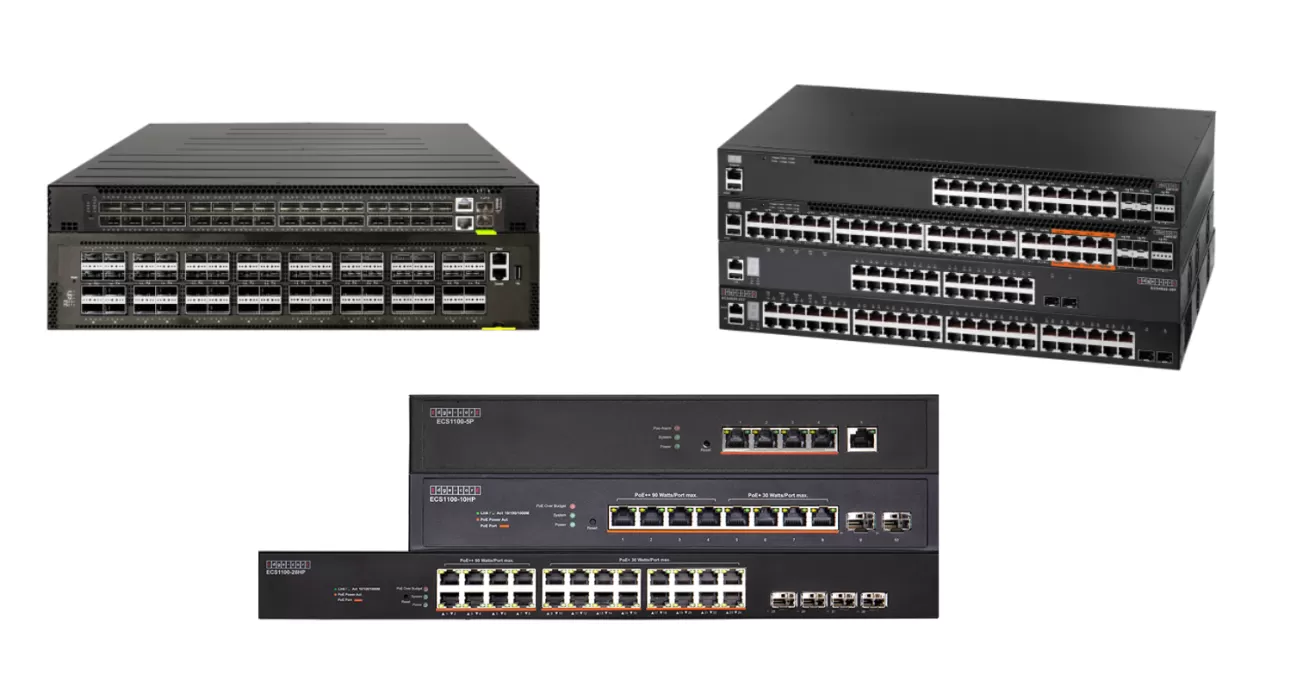
Modern enterprise and data centre environments need more than just basic network connections. As businesses manage larger amounts of data, cloud applications, virtualization, and critical workloads, having a dependable and high-performance L2 Ethernet Switch is vital.
Unlike budget switches made for small offices, enterprise-grade switching solutions are designed to provide scalability, stability, security, and consistent network performance for demanding IT environments.
What is an L2 Ethernet Switch?
An L2 Ethernet Switch works at Layer 2 of the OSI model and forwards network traffic using MAC addresses. It helps devices communicate efficiently within the same network while improving traffic management and minimizing unnecessary data transmission. In enterprise and data centre networks, L2 Ethernet switches are crucial for maintaining fast, secure, and uninterrupted communication between servers, storage systems, and connected devices.
Why Enterprise and Data Centre Networks Need Advanced L2 Ethernet Switches
Enterprise networks manage much higher traffic loads than standard office environments. Data centres also need continuous uptime, low latency, and reliable switching performance to support mission-critical applications. An enterprise-grade L2 Ethernet Switch offers features that help organizations create a stable and scalable network infrastructure, including:
- High-speed Gigabit and 10G connectivity
- Advanced VLAN support
- Better traffic management
- QoS for traffic prioritization
- Centralized management and monitoring
- Reliable switching performance for continuous operations
These features help enterprises maintain efficiency while enabling future network expansion.
Key Factors to Consider When Choosing an L2 Ethernet Switch
Performance and Switching Capacity
Enterprise and data centre environments need switches that can handle high-volume traffic with low latency.
Scalability
Choose a switch that can support future network growth and increasing bandwidth requirements
High Port Density
Enterprise networks often require multiple high-speed connections for servers, storage systems, and network devices.
Security Features
VLANs, access control, and traffic segmentation help improve network security and management.
Performance and Reliability
Low latency and uninterrupted connectivity are essential for enterprise and data centre applications.
Easy Network Management
Managed L2 Ethernet Switch solutions provide better visibility and simplified administration for IT teams.
Enterprise and Data Centre Applications
Enterprise-grade L2 Ethernet Switches are widely used in
- Data Centres
- Enterprise IT Networks
- Telecom Infrastructure
- Industrial Networks
- Smart Buildings
- Transportation Systems
- Cloud and Virtualized Environments
These sectors need secure, scalable, and high-performance networking solutions to support business-critical functions.
Benefits of Enterprise L2 Ethernet Switches
- Reliable high-speed connectivity
- Improved traffic management
- Better network efficiency
- Enhanced security and VLAN support
- Scalability for future expansion
- Stable performance for critical applications
Industry discussions also suggest that enterprise-focused L2 switches are preferred for advanced VLAN configuration, centralized management, and enterprise-grade deployment requirements.
Conclusion
Choosing the right L2 Ethernet Switch is essential for building a secure, scalable, and high-performance enterprise network. Businesses operating in enterprise and data centre environments should focus on performance, reliability, advanced management features, and long-term scalability rather than selecting switches designed for basic office use.
A reliable enterprise switching infrastructure helps organizations improve operational efficiency, support growing network demands, and maintain stable connectivity across mission-critical applications.
 Whatsapp Us