

Modern networks carry enormous amounts of data across different devices, applications, cloud environments, and security systems. As network infrastructure becomes more complex, organizations need reliable ways to access, organize, and distribute network traffic to monitoring and security tools.
This is where a Network Packet Broker (NPB) becomes valuable.
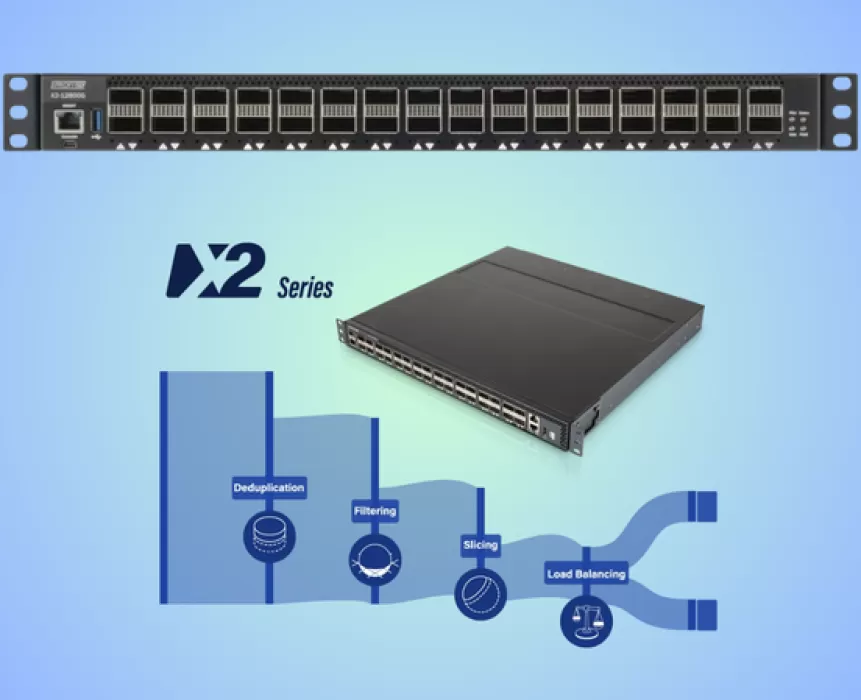
A Network Packet Broker helps collect network traffic from different sources, filter unnecessary packets, and distribute relevant traffic to the appropriate monitoring, security, and performance tools. The right solution can improve network visibility while helping organizations use their monitoring infrastructure more efficiently.
However, choosing a Network Packet Broker is not simply about selecting a device with a specific number of ports. Factors such as traffic capacity, filtering capabilities, scalability, deployment requirements, and compatibility with existing network infrastructure should also be considered.
What Is a Network Packet Broker?
A Network Packet Broker is a network visibility solution designed to manage and distribute traffic between network infrastructure and monitoring or security tools.
Instead of connecting every monitoring tool directly to different network links, an NPB can act as a centralized traffic distribution layer.
Depending on the deployment, it can receive traffic from Network TAPs, SPAN ports, or other network sources, process the traffic, and send the required packets to tools such as:
-
Network monitoring systems
-
Intrusion detection and prevention systems
-
Network performance monitoring tools
-
Application performance monitoring platforms
-
Security analytics platforms
-
Packet capture systems
This approach can make network monitoring more organized and scalable.
Why Is Network Visibility Important?
Network visibility is essential for understanding what is happening across an infrastructure.
Without appropriate visibility, IT and security teams may have difficulty identifying performance problems, investigating suspicious traffic, or troubleshooting network issues.
A Network Packet Broker can help improve visibility by providing monitoring tools with the traffic they need.
For example, instead of sending all available traffic to every monitoring tool, traffic can be filtered and distributed according to the requirements of individual tools.
This can help reduce unnecessary traffic loads and make monitoring resources more efficient.
Key Factors to Consider When Choosing a Network Packet Broker
1. Traffic Capacity and Port Speeds
One of the first factors to evaluate is the amount of traffic your network generates. Consider your current network speeds as well as future requirements. Depending on the environment, organizations may need support for different interfaces and speeds.
A suitable Network Packet Broker should provide sufficient capacity for your existing infrastructure without becoming a bottleneck as network traffic increases.
When evaluating an NPB, consider:
-
Number of ports
-
Supported interface speeds
-
Aggregate throughput
-
Full-duplex traffic handling
-
Current and expected network growth
Planning for future bandwidth requirements can help avoid replacing the solution too soon.
2. Traffic Filtering and Processing
Not every monitoring tool needs access to every packet.
Traffic filtering allows organizations to select relevant traffic before sending it to monitoring or security tools.
Depending on the solution, filtering may be based on parameters such as:
-
Source and destination
-
VLAN
-
Protocol
-
IP address
-
Port
-
MAC address
-
Application or traffic type
Effective filtering can help reduce unnecessary traffic and allow monitoring tools to focus on relevant information.
3. Scalability for Future Network Growth
Your network today may look very different from your network several years from now.
New switches, higher-speed links, additional security tools, cloud connectivity, and data center expansion can increase visibility requirements.
Therefore, scalability should be an important part of the selection process.
Look for a Network Packet Broker architecture that can accommodate additional monitoring points, higher traffic volumes, and changing network requirements without requiring a complete redesign.
4. Network TAP and SPAN Compatibility
A Network Packet Broker needs to work effectively with the traffic sources in your infrastructure.
Network TAPs can provide copies of network traffic for monitoring, while SPAN or mirror ports can provide traffic from network switches.
Before selecting an NPB, consider how it will integrate with your existing traffic-access architecture.
A combination of Network TAPs and Packet Brokers can provide a structured approach to collecting and distributing traffic across monitoring infrastructure.
5. Efficient Use of Monitoring and Security Tools
Monitoring tools can be expensive and may have limitations regarding the amount of traffic they can process.
Sending unnecessary traffic to these tools can consume processing capacity and reduce operational efficiency.
A Network Packet Broker can help by directing only relevant traffic to specific tools.
For example, security tools may require particular traffic flows, while performance-monitoring systems may require a different set of traffic.
This selective distribution can help organizations make better use of their existing monitoring infrastructure.
6. High-Speed Network Support
As organizations adopt higher-speed Ethernet connections, visibility infrastructure must keep pace.
Data centers, cloud environments, service providers, and high-performance networks may require support for high-speed interfaces.
When selecting a Network Packet Broker, check whether its supported speeds and throughput match your current infrastructure and future deployment plans.
Choosing a solution based only on today's requirements may create limitations as bandwidth demands increase.
7. Management and Deployment
Operational simplicity is another important consideration.
Network teams should be able to configure traffic distribution, filtering, monitoring ports, and other functions without unnecessary complexity.
Depending on the solution, management capabilities may include centralized configuration, monitoring interfaces, automation support, and visibility into port or traffic utilization.
A straightforward management approach can make ongoing network visibility operations easier.
Network Packet Broker for Better Network Visibility
A Network Packet Broker can serve as an important component of a modern network visibility architecture.
By collecting traffic from different network sources, filtering unnecessary data, and distributing relevant traffic to monitoring and security tools, an NPB can help organizations build a more efficient monitoring environment.
However, the right solution depends on the specific network architecture and operational requirements.
Before selecting, evaluate traffic capacity, port speeds, filtering capabilities, scalability, Network TAP compatibility, tool integration, and management requirements.
Conclusion
Selecting a Network Packet Broker requires more than comparing port counts or interface speeds. The solution should fit your current network architecture while providing enough flexibility to support future growth.
By evaluating traffic requirements, filtering capabilities, scalability, TAP and SPAN integration, high-speed connectivity, and monitoring-tool requirements, organizations can develop a network visibility architecture that is better aligned with their operational needs.
Khushi Communications provides network visibility and testing solutions designed for modern network environments. Explore our networking solutions or contact our team to discuss your specific network monitoring requirements.
Need help selecting the right Network Packet Broker for your network? Contact Khushi Communications.
 Whatsapp Us