

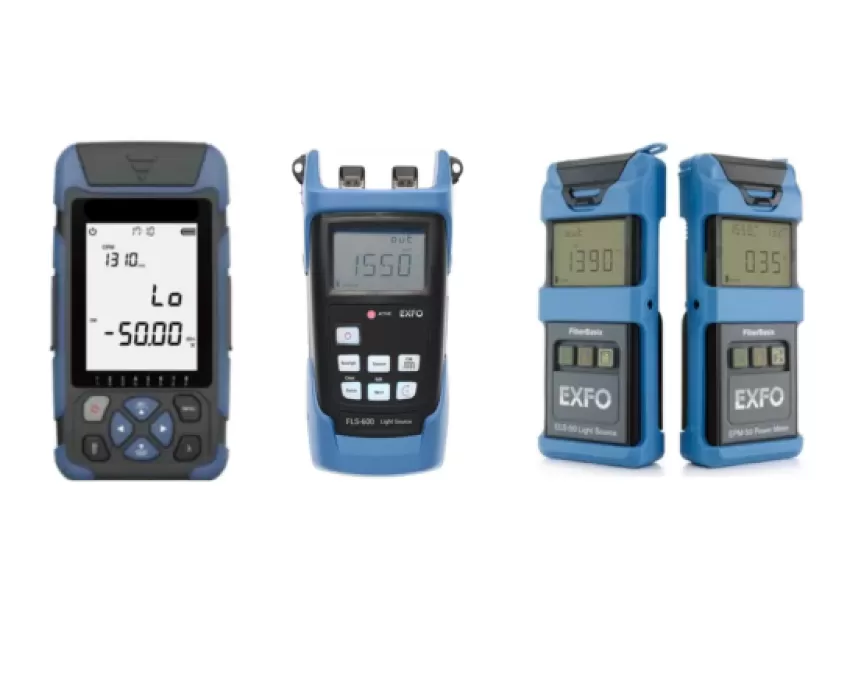
An Optical Light Source is a fiber optic testing instrument used to generate a stable optical signal for testing and measuring the performance of fiber optic cables and networks. It is commonly used with an optical power meter to measure fiber loss, attenuation and optical link performance.
Optical light sources are widely used in telecommunications, FTTx networks, data centers, enterprise networks, railway communication systems and other fiber optic applications.
Depending on the application, an optical light source may use laser or LED technology and support one or multiple wavelengths.
If you are looking for an Optical Light Source Supplier in India, understanding the different types, wavelengths and applications can help you select the right solution for your fiber optic testing requirements.
What Is an Optical Light Source?
An optical light source is a fiber optic test instrument that generates a controlled and stable optical signal and transmits it into a fiber optic cable.
The optical signal can be measured using an optical power meter at the other end of the fiber. This helps technicians determine the amount of optical power received and calculate the loss in the fiber link.
A typical fiber testing setup works as follows:
Optical Light Source → Fiber Under Test → Optical Power Meter
This combination is commonly used for fiber loss testing, installation, commissioning, troubleshooting and maintenance.
How Does an Optical Light Source Work?
An optical light source generates optical power at a selected wavelength and sends the signal through the fiber under test.
The typical testing process includes:
- Connect the optical light source to the fiber.
- Connect an optical power meter to the other end.
- Select the required wavelength.
- Transmit the optical signal through the fiber.
- Measure the received optical power.
- Compare the reference and measured values.
- Determine the optical loss of the fiber link.
A stable optical output is important because variations in the source can affect the accuracy and consistency of fiber measurements.
Types of Optical Light Sources
Different types of optical light sources are available depending on the fiber type, wavelength and testing application.
Laser Optical Light Source
A laser optical light source uses a laser diode to generate an optical signal at a specific wavelength.
Laser sources are commonly used for single-mode fiber testing, telecommunications, long-distance networks and applications where stable and precise optical output is required.
LED Optical Light Source
An LED optical light source uses an LED to generate the optical signal.
LED sources are commonly used for multimode fiber applications and shorter-distance fiber networks. The appropriate source depends on the fiber type and testing requirements.
Handheld Optical Light Source
A Handheld Optical Light Source is a compact and portable instrument designed for field testing.
It allows technicians to perform fiber testing at installation sites, customer locations and network maintenance locations.
Handheld optical light sources are useful for:
- Fiber installation
- Fiber loss testing
- Troubleshooting
- Network maintenance
- Commissioning
- Field service
- Fiber link verification
Multi-Wavelength Optical Light Source
A multi-wavelength optical light source supports two or more wavelengths in a single instrument.
This type of equipment can be useful when technicians need to test different fiber links and applications using one device.
Multi-wavelength sources are commonly used in telecommunications, FTTx, fiber maintenance and network testing.
Common Optical Light Source Wavelengths
The required wavelength depends on the type of fiber and network application.
| Wavelength | Typical Application |
|---|---|
| 850 nm | Multimode fiber testing |
| 1310 nm | Single-mode fiber testing |
| 1490 nm | FTTx and PON applications |
| 1550 nm | Single-mode fiber and telecom testing |
| 1625 nm | Fiber maintenance and specialized testing |
Some optical light sources support multiple wavelengths, allowing one instrument to be used for different testing requirements.
Optical Light Source for Fiber Testing
An Optical Light Source for Fiber Testing is typically used together with an optical power meter to determine the loss of a fiber optic link.
The source sends a known optical signal into the fiber, while the power meter measures the signal received at the other end.
This testing setup can help technicians identify:
- Excessive fiber loss
- Poor connector connections
- Splice-related loss
- Damaged fiber
- Installation problems
- Abnormal link performance
For accurate testing, technicians should select the appropriate wavelength, connector type and source configuration for the fiber network.
Applications of Optical Light Sources
Optical light sources are used in a wide range of fiber optic applications.
Telecommunications
Optical light sources are used for testing and maintaining fiber links in telecommunication networks.
FTTx and PON Networks
Optical testing equipment helps verify fiber links used in FTTH, FTTB and other FTTx deployments.
Data Centers
Optical light sources can support fiber link testing and maintenance in data center environments.
Enterprise Networks
They are used to test fiber connections within enterprise and campus networks.
Railway Communication
Fiber optic networks used in railway communication and infrastructure can require optical testing during installation and maintenance.
Fiber Installation
Technicians can use optical light sources to verify fiber links after installation.
Network Maintenance
Regular testing helps identify abnormal loss and potential fiber connection issues.
Troubleshooting
Optical light sources can be used with other fiber testing equipment to investigate fiber link problems.
Benefits of Using an Optical Light Source
Stable Optical Signal
A stable optical output helps provide consistent and repeatable fiber measurements.
Reliable Loss Testing
When paired with an optical power meter, an optical light source can be used for fiber loss measurement.
Portable Testing
Handheld models are convenient for field technicians and on-site testing.
Multiple Wavelength Support
Multi-wavelength equipment provides flexibility for different fiber testing applications.
Easy Field Operation
Portable optical light sources can simplify installation, troubleshooting and maintenance work.
Suitable for Multiple Applications
Depending on the model, optical light sources can be used for telecom, FTTx, enterprise, data center and railway fiber networks.
How to Choose an Optical Light Source?
Choosing the right optical light source depends on your fiber testing requirements.
Fiber Type
Determine whether you need to test single-mode or multimode fiber.
Required Wavelength
Select the wavelength based on the fiber and network application.
Number of Wavelengths
A single-wavelength source may be sufficient for a specific application, while a multi-wavelength source can provide greater flexibility.
Output Stability
Choose a source that provides stable optical output for consistent measurements.
Connector Type
Check compatibility with connectors such as SC, LC, FC and ST.
Portability
If the equipment will be used frequently in the field, a Handheld Optical Light Source may be a practical choice.
Testing Application
Consider whether the instrument will be used for:
- Installation
- Commissioning
- Maintenance
- Troubleshooting
- Fiber loss testing
- Network verification
Optical Light Source and Optical Power Meter
An optical light source and optical power meter perform different but complementary functions.
| Equipment | Main Function |
|---|---|
| Optical Light Source | Generates and transmits optical signal |
| Optical Power Meter | Measures received optical power |
Together, these instruments can be used to measure the optical loss of a fiber link.
The optical light source sends the signal through the fiber, while the optical power meter measures the signal received at the other end.
Handheld Optical Light Source for Field Applications
A handheld optical light source is designed for technicians who need a portable testing solution.
Its compact design makes it suitable for use at different locations during:
- Fiber installation
- Network commissioning
- Maintenance
- Troubleshooting
- Fiber loss testing
- Field inspection
For organizations with technicians working across multiple sites, a handheld solution can make routine fiber testing more convenient.
Frequently Asked Questions
What is an Optical Light Source?
An optical light source is a fiber optic test instrument that generates a stable optical signal for testing fiber optic cables and measuring optical loss.
What is an Optical Light Source used for?
It is commonly used for fiber loss testing, installation, commissioning, troubleshooting, maintenance and network verification.
What is a Fiber Optical Light Source?
A fiber optical light source is an optical testing device used to transmit an optical signal through fiber optic cables for testing and measurement.
What is a Handheld Optical Light Source?
A handheld optical light source is a portable fiber testing instrument designed for field applications such as installation, maintenance and troubleshooting.
What wavelengths are used in Optical Light Sources?
Common wavelengths include 850 nm, 1310 nm, 1490 nm, 1550 nm and 1625 nm, depending on the application and fiber type.
Can an Optical Light Source be used with an Optical Power Meter?
Yes. An optical light source and optical power meter are commonly used together to measure fiber optic link loss.
How do I choose an Optical Light Source?
Consider the fiber type, required wavelengths, number of wavelengths, connector type, output stability, portability and intended testing application.
Where can I buy an Optical Light Source in India?
You can purchase an optical light source from a specialized fiber optic testing equipment supplier in India. Khushi Communications supplies optical light sources and related fiber optic testing solutions for various applications.
Conclusion
An Optical Light Source is an important tool for testing, installing and maintaining fiber optic networks. By generating a stable optical signal and working with an optical power meter, it helps technicians measure fiber loss and verify link performance.
From laser and LED sources to handheld and multi-wavelength solutions, different optical light sources are available for different fiber testing requirements.
When selecting an optical light source, consider the fiber type, wavelength, connector, portability, output stability and intended application.
If you are looking for an Optical Light Source Supplier in India, Khushi Communications can help you identify a suitable fiber optic testing solution based on your requirements.
Contact Khushi Communications for Optical Light Source products and fiber optic testing solutions.
 Whatsapp Us